When evaluating multiple villa projects, it's tempting to let price per square foot become the deciding factor. But price alone rarely tells the full story — two similarly priced projects can differ enormously in land use, developer credibility, and long-term value. Here's a more complete way to compare.
Developer Track Record
A developer's history of delivering past projects on time, with quality matching what was promised, is one of the strongest predictors of how a current project will turn out. It's worth researching completed projects by the same developer, ideally visiting one if possible, rather than relying solely on renderings of an upcoming one.
RERA Registration and Compliance
As discussed in our RERA buyer's guide, verifying registration on the official portal for each project you're comparing is a non-negotiable first step — it's also worth checking whether the developer has any pending complaints or disputes listed on the same portal.
Land Use and Density
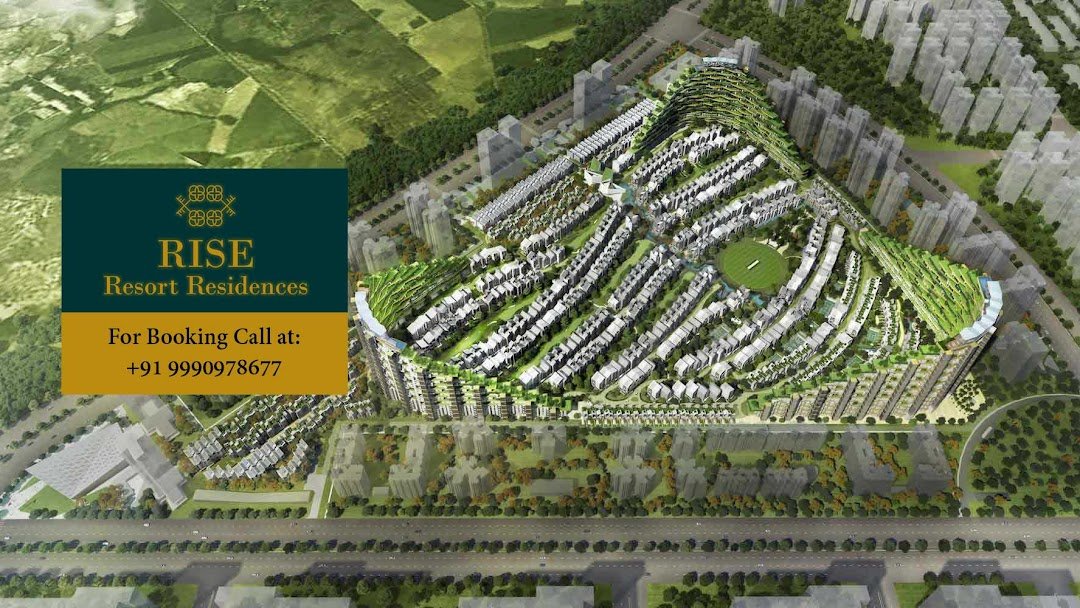
Two projects of similar size can offer very different living experiences depending on how much of the land is dedicated to villas versus open space and amenities. A 90-acre township with a golf course and extensive landscaping offers a fundamentally different density and lifestyle than a project that maximizes the number of units on the same land area.
Amenities: Real vs Promised
Brochures often show ambitious amenity plans — it's worth asking specifically which amenities are already built and operational versus planned for future phases, and getting a realistic timeline for anything not yet delivered.
Location and Infrastructure Trajectory
Beyond current connectivity, it's worth researching how the surrounding area is expected to develop — upcoming metro lines, road expansions, or commercial hubs — since this affects both daily convenience and long-term appreciation, as discussed in our resale value guide.
Specifications and Build Quality
Comparing the detailed specifications annexure across projects — flooring, fittings, window quality, structural details — often reveals meaningful differences that aren't obvious from renderings alone. Visiting a sample or model villa, where available, is the most reliable way to verify this.
Payment Plans and Financial Terms
Construction-linked versus down payment plans, and the specific milestones tied to each, can significantly affect your cash flow and financing strategy. Comparing these terms across projects — not just the headline price — gives a more accurate picture of the total cost and timing of your investment.
Maintenance Charges and Long-Term Costs
A lower purchase price can sometimes come with higher ongoing maintenance charges, or vice versa. Factoring in the long-term cost of ownership — not just the upfront price — gives a more complete comparison between projects.
A Simple Comparison Framework
When comparing projects side by side, it helps to score each on a consistent set of factors:
- Developer track record and RERA compliance
- Location and connectivity, including future infrastructure plans
- Amenities delivered versus promised
- Specifications and build quality
- Total cost of ownership, including maintenance
Rating each project across these factors, rather than defaulting to price alone, tends to surface a clearer picture of genuine value.
Final Thoughts
Price is easy to compare and therefore tempting to over-index on, but it's rarely the whole story. A thorough comparison — developer credibility, land use, real amenities, and long-term costs — usually reveals which project offers genuinely better value, even if it isn't the cheapest option on paper.
Comparing Rise Resort Villas With Other Projects?
Our team is happy to walk you through a detailed comparison on the factors that matter most to you.
Call +91-8010992222

