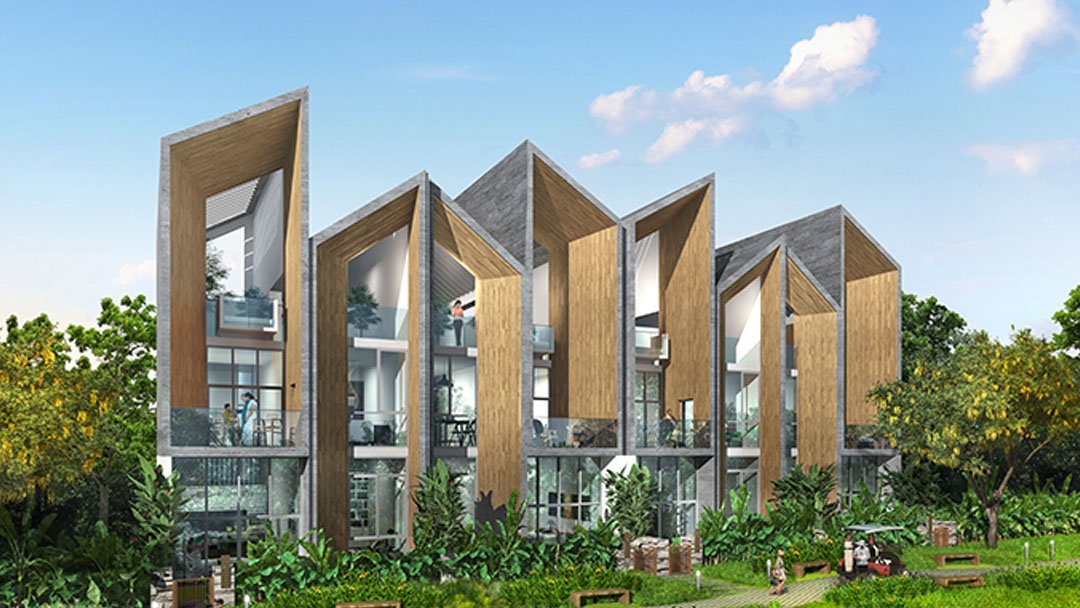
Owning a villa gives you far more flexibility to renovate than a typical apartment, but that flexibility isn't unlimited. Understanding what's generally changeable, what usually needs approval, and what's best left alone helps avoid costly mistakes or compliance issues down the line.
Interior Changes That Are Usually Straightforward
Most interior, non-structural changes fall within an owner's discretion without needing external approval, including:
- Repainting walls and changing interior colour schemes
- Replacing flooring, fittings, and fixtures
- Updating kitchen cabinetry and countertops
- Installing new lighting fixtures and ceiling fans
- Furnishing and decorating rooms, including the entertainment or theatre room discussed in our earlier guide
Changes That Typically Need Caution
Some changes, while common, are worth approaching carefully:
- Removing or relocating interior walls — this can affect structural integrity depending on whether the wall is load-bearing
- Major plumbing or electrical rerouting — best handled by licensed professionals to avoid code violations
- Changes to the rooftop structure, given its role in the villa's exterior design and weatherproofing
Consulting a structural engineer or architect before undertaking any of these is a reasonable precaution, even if the villa's own layout seems to allow it.
Exterior and Structural Changes: Where Approval Usually Matters
Changes to a villa's exterior facade, structural framework, or anything affecting the building's approved layout typically requires approval from the relevant local authority and, in a managed township, from the developer or facility management as well. This includes:
- Extending the built-up area beyond the sanctioned plan
- Adding a new floor or significant structural addition
- Modifying the building's external appearance in ways that deviate from the township's design guidelines
Garden and Outdoor Modifications
Private gardens generally offer the most renovation freedom of any part of a villa, since landscaping changes rarely affect structural elements. That said, adding permanent structures like a pergola, extended pool, or outdoor kitchen may still require confirming they fall within any setback or construction guidelines set by the township.
Township Guidelines to Check First
Before undertaking any renovation, it's worth reviewing whether the township has its own architectural or design guidelines — many gated communities maintain a degree of visual consistency across villas, and significant exterior changes may need to align with these guidelines even where local authority approval isn't separately required.
Popular Upgrades Among Villa Owners
Common renovations that owners tend to prioritize, based on general trends, include:
- Kitchen upgrades, particularly around the rooftop open kitchen
- Bathroom renovations, as covered in our bathroom design guide
- Smart home retrofits, discussed in our smart home features guide
- Garden landscaping improvements
Budgeting Realistically
Renovation costs can escalate quickly, particularly for structural or plumbing-related work. Getting multiple quotes, building in a contingency buffer, and phasing larger renovations over time rather than attempting everything at once tends to keep both budget and stress levels more manageable.
Final Thoughts
A villa's flexibility for renovation is one of its genuine advantages over apartment living, but that flexibility works best when paired with a clear understanding of what needs approval and what's safe to change independently. When in doubt, a quick check with a structural professional or the township's facility management saves far more trouble than it costs.
Planning a Renovation?
Our team can clarify the township's design guidelines before you finalize your renovation plans.
Call +91-8010992222

